Discovering the Island’s Hidden World of Birds
When most people think of Corfu, they imagine turquoise waters, dramatic cliffs, charming villages, and endless olive groves stretching toward the sea. But beyond the beaches and traditional landscapes lies another world, quieter, wilder, and full of life. A world of wings, calls, and secret movements hidden among wetlands, forests, and coastal landscapes. Corfu is not only a paradise for travelers. It is also a remarkable destination for birdwatchers and nature lovers who want to experience the island from a different perspective. Here, migration routes, rare habitats, and rich biodiversity come together to create one of the most fascinating natural experiences in the Ionian.
Why Corfu Is a Birdwatching Paradise
Located in the northern Ionian Sea, Corfu sits along important migration routes between Europe and Africa. Every spring and autumn, thousands of birds pass through the island during their long journeys, using Corfu as a place to rest, feed, and recover.
The island’s unique combination of:
Wetlands
Lagoons
Olive groves
Mountain areas
Coastal cliffs
creates a variety of habitats where different species can thrive. A morning walk in Corfu can reveal far more than beautiful scenery, it can become a journey into the island’s hidden natural world.
Lake Korission: The Birdwatching Treasure of Corfu
One of the most important birdwatching locations on the island is Lake Korission. Located on the southwest coast of Corfu, this protected wetland area is a haven for many bird species. The lagoon, sand dunes, and surrounding landscape create the perfect environment for both resident and migrating birds.
Depending on the season, visitors may spot:
Flamingos resting in the shallow waters
Herons searching for food
Egrets moving through the reeds
Ducks and waterfowl
Birds of prey flying above the wetlands
The beauty of Lake Korission is that it changes throughout the year. Spring brings migration and activity, while autumn offers another opportunity to observe birds preparing for their journeys. The peaceful surroundings also make it a wonderful place for photography.
The Olive Groves: A Forest Full of Life
Corfu’s famous olive trees are not only part of the island’s identity, they are also important habitats. Many of the ancient olive groves are centuries old, creating a natural environment where birds can shelter and feed. Walking through these landscapes, you may hear the songs of small birds before you even see them.
Look carefully among the branches and you might discover:
Songbirds
Woodpeckers
Owls
Falcons
Small migrating species
The quiet paths through the olive groves offer a completely different experience from the busy coastal areas. It is a slower way of discovering Corfu, one guided by sound rather than sight.
The Northern Coast: Cliffs, Sea, and Coastal Birds
The northern coastline of Corfu offers dramatic scenery and excellent opportunities for spotting coastal species. The rocky cliffs and open sea provide ideal conditions for birds that depend on marine environments. Keep an eye on the skies and you may see birds soaring above the coastline, using the sea winds to travel effortlessly. The combination of cliffs, caves, and untouched areas makes this part of the island especially rewarding for patient observers. Sometimes the best moments happen when you simply stop and wait.
Spring Migration: The Best Time for Birdwatching
Spring is one of the most exciting seasons for birdwatchers in Corfu. As temperatures rise, migratory birds return to Europe after spending winter in Africa and southern regions. During this period, the island becomes a temporary home for many species. Early mornings are often the best time to explore because birds are most active, the air is calm, and the natural sounds of the island are at their strongest. A walk at sunrise through wetlands or countryside can reveal an incredible variety of life.
Autumn: Another Season of Discovery
Autumn migration offers a different but equally fascinating experience. Birds begin their journey south, and Corfu becomes a resting point once again. The island’s landscapes take on warmer colors, the summer crowds disappear, and nature becomes quieter. For visitors who enjoy peaceful exploration, autumn can be one of the most rewarding times to discover Corfu’s wildlife.
A Different Side of Corfu
Birdwatching is not only about identifying species.
It is about learning to observe.
It encourages you to slow down, listen carefully, and notice details that many travelers overlook.
A sudden movement in the trees.
A shadow crossing the water.
A distant call from above.
These small moments reveal a different Corfu, one that exists beyond the famous beaches and villages.
Tips for Birdwatching in Corfu
Start Early
The morning hours are usually the best time for spotting birds.
The island is quieter, temperatures are cooler, and wildlife is more active.
Bring Binoculars
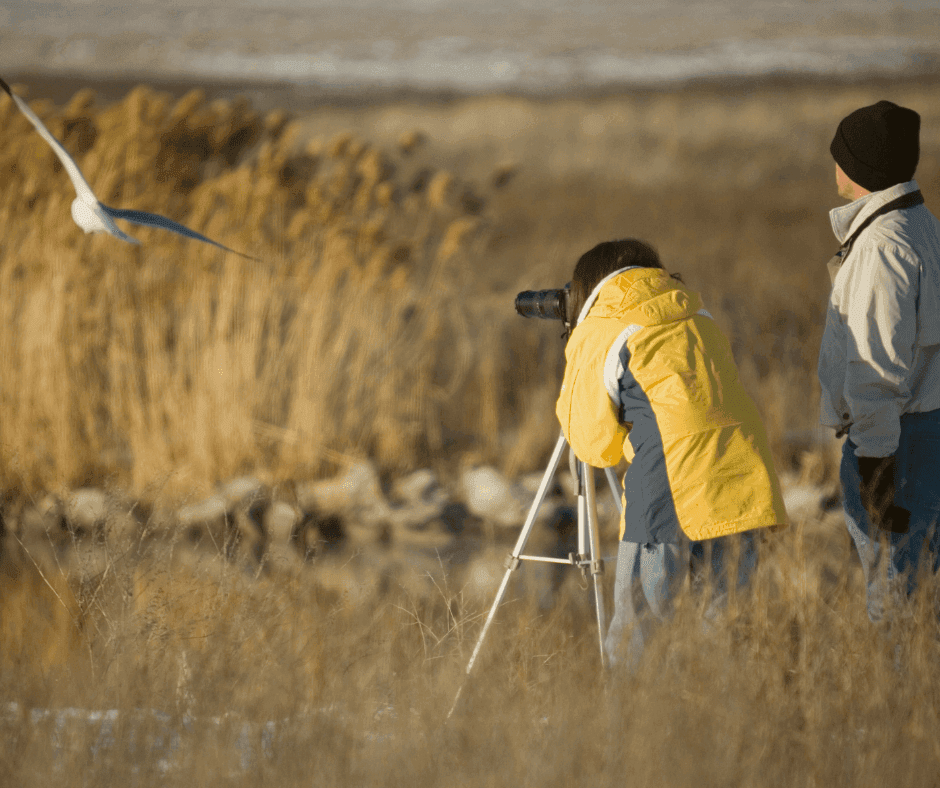
Many birds stay at a distance, especially around wetlands and coastal areas.
A good pair of binoculars can completely change the experience.
Walk Slowly
Birdwatching rewards patience.
Move quietly, stop often, and listen.
Respect Nature
Avoid disturbing nesting areas, keep your distance, and leave natural habitats untouched.
The beauty of Corfu depends on protecting the landscapes that make it special.
Where Nature Still Whispers
Corfu has many faces. It is an island of beaches and villages, history and music, food and tradition. But it is also an island of wings. For those willing to explore beyond the obvious, Corfu reveals a quieter story, written in birdsong, flight paths, and hidden corners of nature. The greatest discoveries are sometimes not found on a map. Sometimes they are found in the sky above you.
اقرأ أيضاً