An Art Lover’s Guide to Corfu: Ceramics, Pottery, and the Soul of Local Crafts
11 May 2026
While many visitors are drawn to Corfu for its turquoise waters, art lovers know that the island’s true colors are found in the clay of its earth and the grain of its ancient olive trees. Corfu has a creative heartbeat that has pulsed for millennia, blending Byzantine traditions, Venetian elegance, and a rugged, islander grit.
If you’re the type of traveler who prefers a handmade vase over a mass-produced magnet, here is your guide to the thriving artisanal world of Corfu.
The Living Tradition of Corfu Ceramics
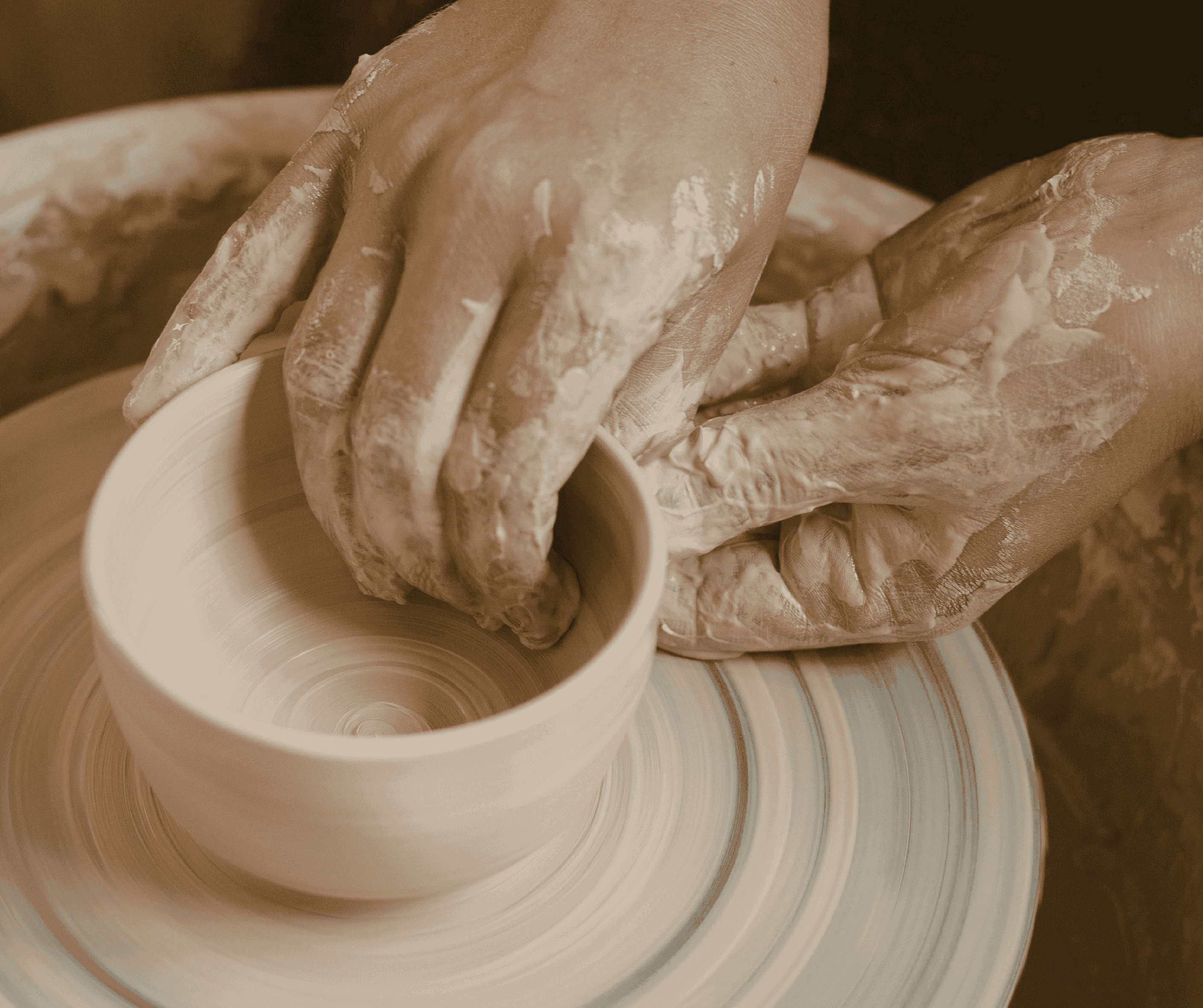
Pottery is one of the oldest crafts on the island, with techniques passed down through generations. The red clay found in the Corfiot soil has been shaped into functional art since antiquity.
Where to find it: The village of Doukades and the area around Paleokastritsa host several traditional workshops.
What to look for: Keep an eye out for the stamnaki - small water jugs - and decorative plates featuring the "Eye" (to ward off the evil eye) or intricate floral patterns inspired by the island’s wildflowers.
Modern Twist: In Corfu Old Town, look for contemporary galleries like My Keramos, where artists blend ancient shapes with modern, minimalist glazes.
The Art of Olive Wood Carving
With over four million olive trees on the island, woodcarving is more than a craft - it’s a way of honoring the landscape. Because some trees are hundreds of years old, the wood has a deep, swirling "marble" grain that is unique to each piece.
The Craft: Local artisans wait for a tree to be naturally pruned or reach the end of its life before harvesting the wood. It is then dried for years before being carved.
Must-Buy Items: Hand-carved salad bowls, ergonomic honey dippers, and heavy-duty mortars and pestles. These items aren't just beautiful, they are incredibly durable and naturally antibacterial.
Textiles and the "Kofto" Embroidery
Corfiot textiles reflect the island's history of luxury and rural necessity. Historically, women would gather in the evenings to create intricate lace and embroidery for dowries.
Kofto Embroidery: This "cut-out" style of embroidery is a local specialty. You’ll find beautiful table runners and pillowcases featuring these delicate, airy designs.
Woven Rugs: In mountain villages like Makrades, you can still find hand-loomed rugs and heavy cotton fabrics that utilize traditional geometric patterns.
Artisanal Soap Making: A 19th-Century Legacy
Soap making in Corfu is elevated to an art form, specifically at the Patounis Soap Factory. Operating since 1891, it is a living museum where the process hasn't changed in over a century.
The Experience: Visiting the factory in Corfu Town is a sensory journey. You can see the massive cauldrons and the wooden frames where the soap is stamped by hand.
The Product: Their "Green Soap," made from crude olive oil, is legendary for its purity. It’s an authentic piece of Corfiot industrial art that you can actually use.
Tips for the Art-Focused Traveler
Visit the Workshops: Don’t be afraid to head into the "interior" villages. Often, the best pottery studios are tucked away in quiet spots like Lakones or Sinarades.
Ask About the Artist: Most shop owners in the Old Town are the artists themselves or their family members. Asking about the history of a piece often leads to a fascinating story about the island.
Shipping Services: Many of the larger ceramic galleries are experienced in shipping fragile items internationally, so don’t let a "carry-on only" flight stop you from buying that stunning floor vase!
Final Thoughts
Corfu’s art scene is a testament to the island’s resilience and beauty. When you buy a piece of Corfiot pottery or a hand-carved olive branch, you aren't just buying a souvenir; you are taking home a fragment of the island's spirit.
Read also