Entering Corfu for the first time is an experience shaped by striking contrasts. Unlike the arid, whitewashed archipelagos of the Aegean, this northern Ionian jewel greets travelers with millions of towering olive trees, dramatic limestone cliffs, and pastel-hued Venetian facades.
A well-crafted Corfu travel guide serves as your compass through these layered landscapes. Whether you are arriving for a long weekend of cultural discovery or a fortnight of coastal stillness, planning a successful first visit requires understanding the island’s geography, varied coastlines, and unhurried daily rhythm.
About the Island Identity
First-time visitors often encounter two distinct names on flight tickets, road signs, and ferry schedules: Corfu or Kerkyra. Both refer to the exact same island, yet each name reflects a different chapter of its heritage.
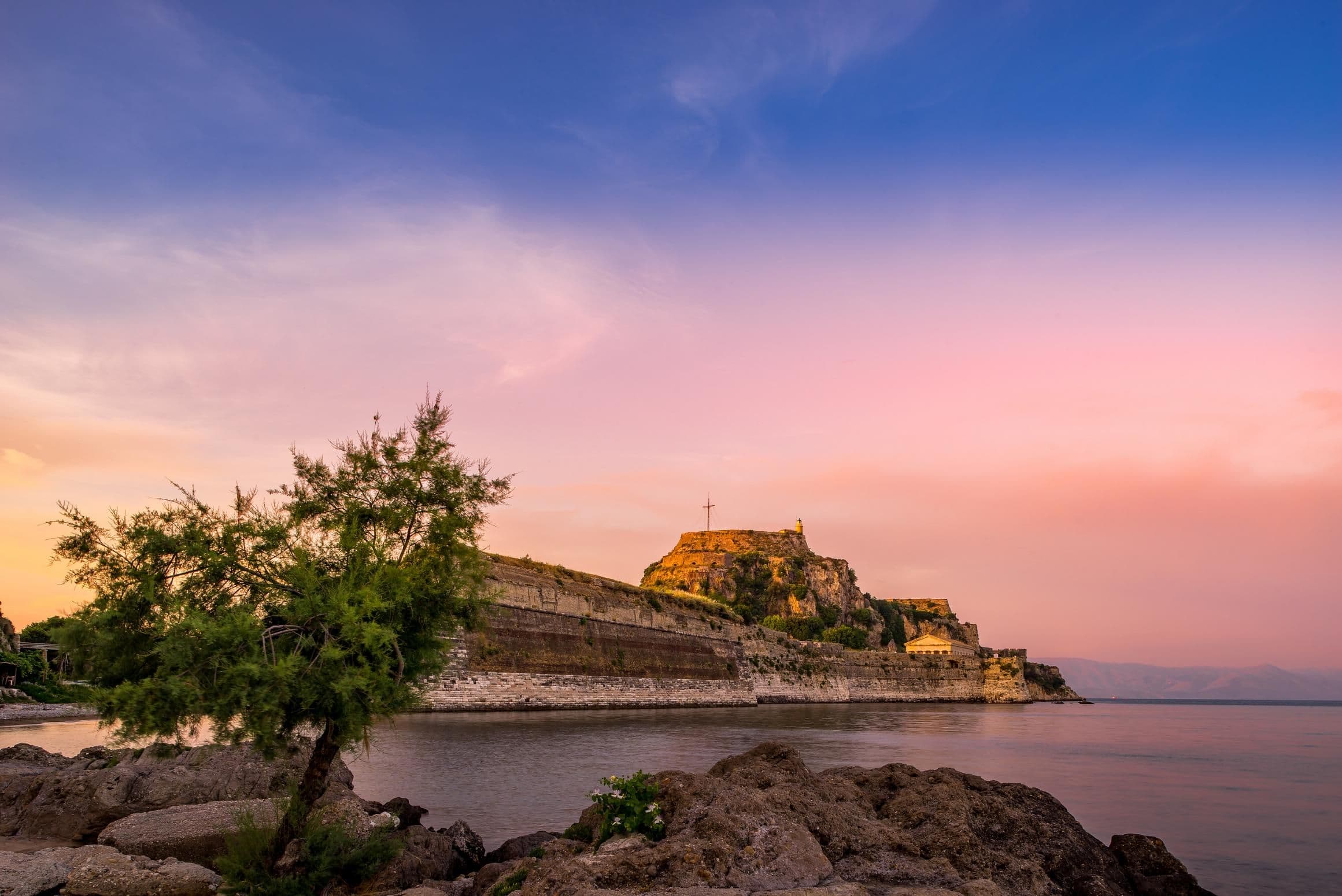
To Greeks, the island is Kerkyra, named after the mythological nymph Korkyra, whom the sea god Poseidon brought to this verdant haven. To the rest of the world, it is Corfu, an Italian adaptation derived from the Byzantine word Korypho, meaning peaks. This refers to the twin rocky hilltops rising out of the sea where the Old Fortress was erected, flanking the historic capital alongside the imposing New Fortress on the western edge of town.
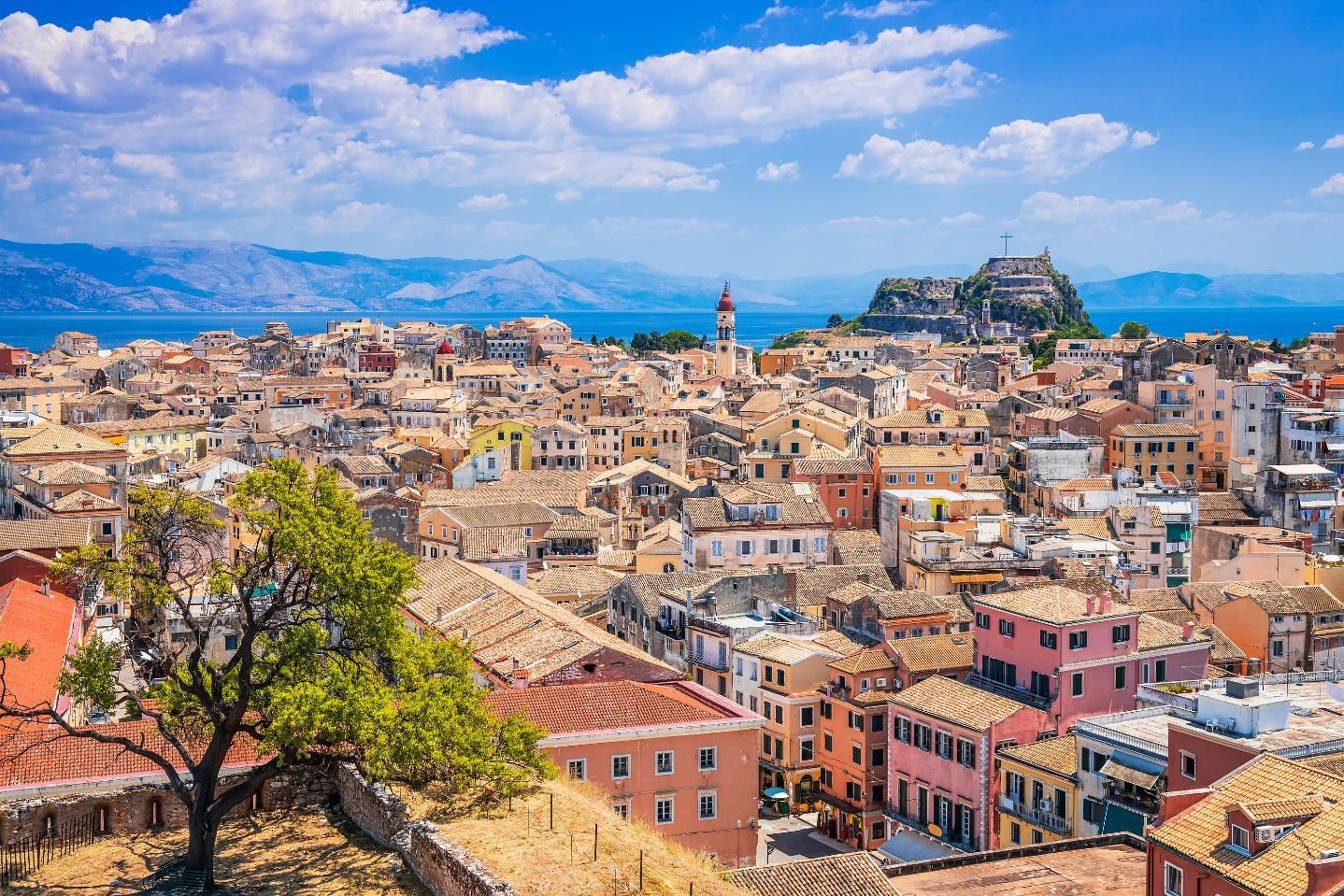
The name encapsulates centuries of foreign influence, particularly four centuries under the Republic of Venice, which spared the island from Ottoman rule and bestowed upon it an aristocratic, European charm found nowhere else in Greece. Exploring historic villages across the island allows you to witness this unique blend of Greek soul and Venetian architecture firsthand.
Essential Corfu Travel Guide & Tips for First-Time Visitors
Arriving on the island without a basic layout in mind can feel overwhelming due to its sheer scale. Following a few practical Corfu travel tips early in your planning ensures a seamless, relaxed journey.
Pacing Your Stay: How Long Do You Need?
Corfu is the second largest of the Ionian islands, spanning over sixty kilometers of diverse terrain from north to south. While a quick visit of two or three days offers little more than an introductory glimpse, five to seven days provides the ideal baseline for a truly rewarding first time in Corfu.
A week strikes a natural balance between cultural discovery and seaside leisure. It gives you the flexibility to experience the historic center on your own terms, whether that means dedicating a single, full-day outing to key Corfu town attractions, or traversing the kantounia on various occasions for unhurried lunches and sunset strolls. Beyond the storied old town, Corfu reveals its greatest riches through its natural landscape. Make sure you leave a generous part of your holiday open to explore secluded northern bays, venture into wild southern dunes, and settle into the restorative rhythm of coastal resort living.
Reviewing seasonal nuances and the best time to visit Corfu will help you select the ideal window for your preferred travel pace.
Navigating the Island: Roads and Driving Realities
Distances on a map can be deceiving in Corfu. While two destinations may appear close in a straight line, the island’s central mountain ridges and winding rural roads mean journeys often take twice as long as expected. One of the most essential Corfu travel tips is to approach island driving with patience, as routes meander through narrow village passages lined with stone houses and centuries-old olive groves.
Hiring your own vehicle provides the freedom to discover hidden coves and tucked-away hilltop tavernas on your own schedule. Rental cars, scooters, and motorcycles are all popular choices for curious travelers who prefer complete independence when mapping out their days. Active travelers often combine driving with hiking the Corfu Trail, which traverses pristine backroads and tranquil nature paths.
For those who prefer not to drive, private transfers and reliable local taxis offer a seamless alternative, allowing guests based at peaceful coastal resorts to enjoy curated Corfu excursions into the historic center and across the island without navigating the roads themselves.
Choosing Where to Base Yourself
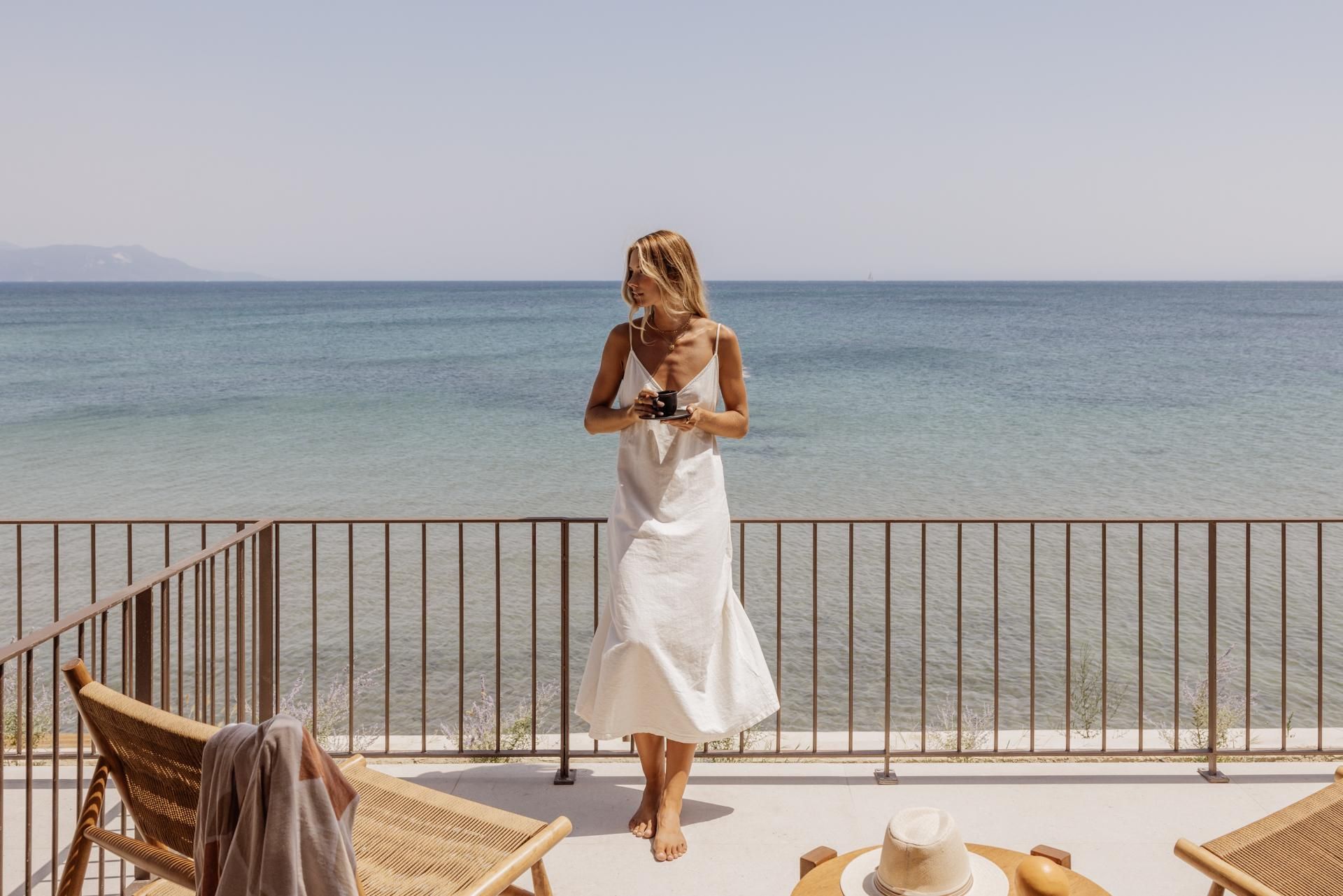
Where you stay defines your daily holiday experience. Corfu naturally divides into distinct geographic zones, each offering its own pace, landscapes, and travel connections.
The Tranquil North: Almyros and Roda
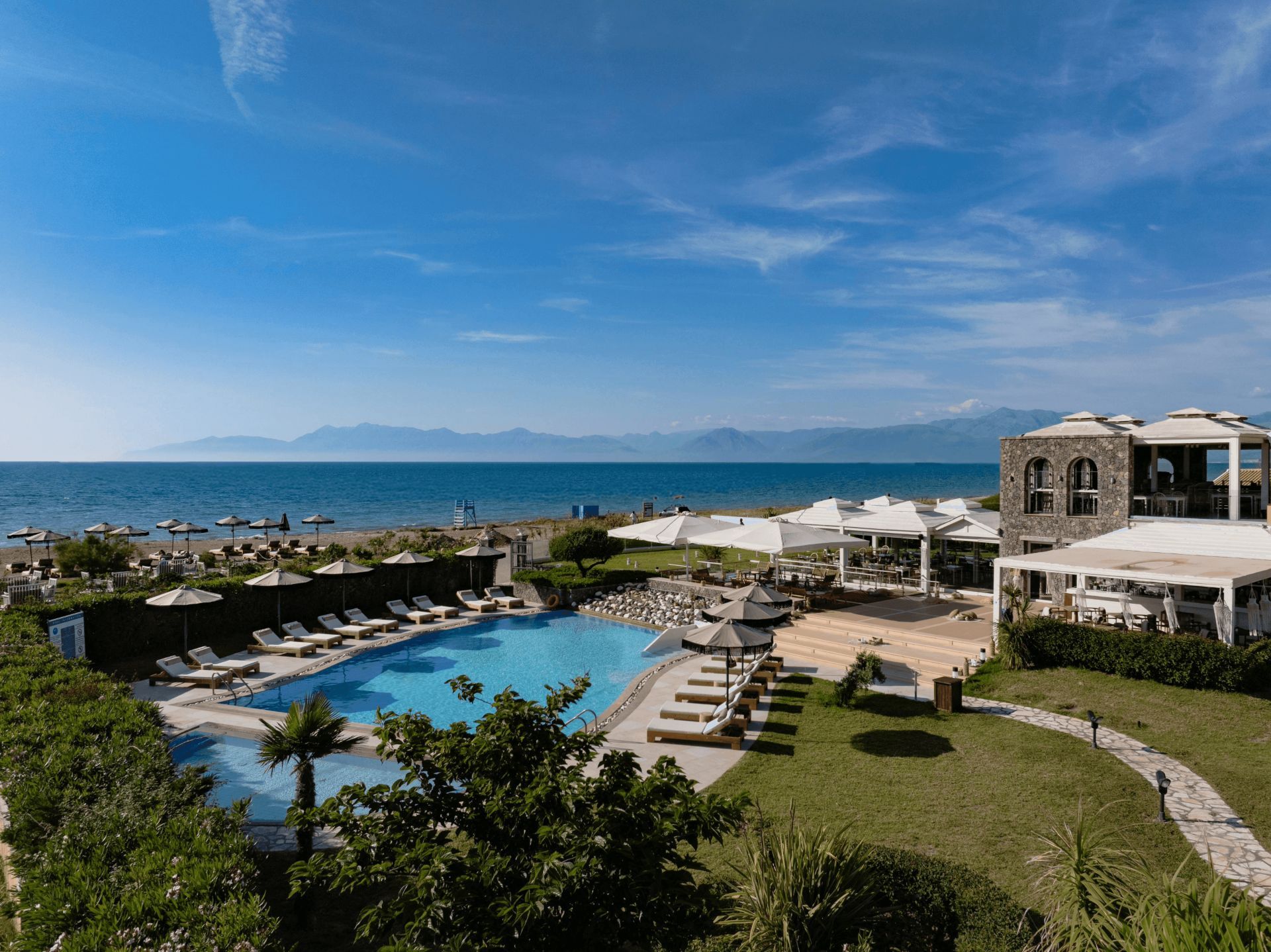
North Corfu is celebrated for sweeping panoramic views across to the Albanian coastline, gentle shores, and an unhurried, laid-back atmosphere. Situated roughly an hour's scenic drive from the airport and Old Town, this northern coast feels private and self-contained, making it an ideal anchor for anyone spending their first time in Corfu with family or seeking restorative seclusion.
Along the peaceful shores of Almyros, Restia by Mayor Hotels offers an intimate, boutique retreat where families and couples alike can unwind in spacious private pool suites framed by manicured gardens just ten meters from the water.
A short drive further west brings you to the vibrant coastal enclave of Roda Village, where Unda by Mayor Hotels presents a modern, boho-chic destination. With its contemporary swim-up suites, lively pool areas, and easy beachside living, Unda is effortlessly tailored for style-conscious families and travelers who appreciate a relaxed, design-forward coastal community.
The Wild South: Dramatic Cliffs and Adults-Only Serenity
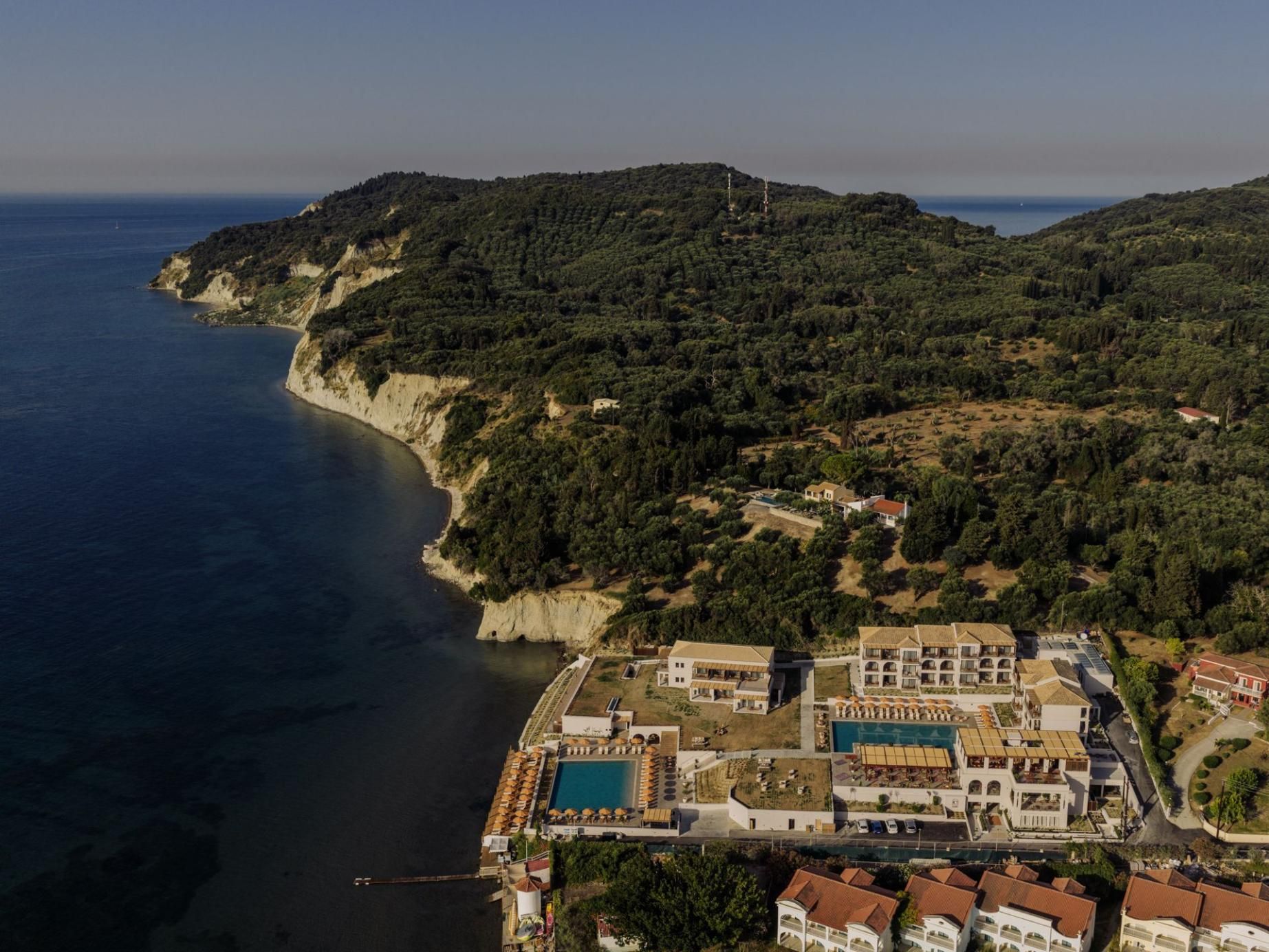
South Corfu showcases a more rugged, untamed coastline marked by golden sand dunes, pine forests, and wide-open horizons. Reached via a scenic hour-long drive south through traditional olive-growing valleys, the southern tip offers total escape from the busier central hubs. Perched above the waterfront near Arkoudilas, Cabo by Mayor Hotels delivers an elevated, adults-only lifestyle. Built directly on the coastal cliffs, Cabo pairs refined all-inclusive dining and sea-facing decks with a private pier that gives guests direct, immediate access to the open sea.
Coastal Landscapes: Sand, Pebbles, and Crystal Waters
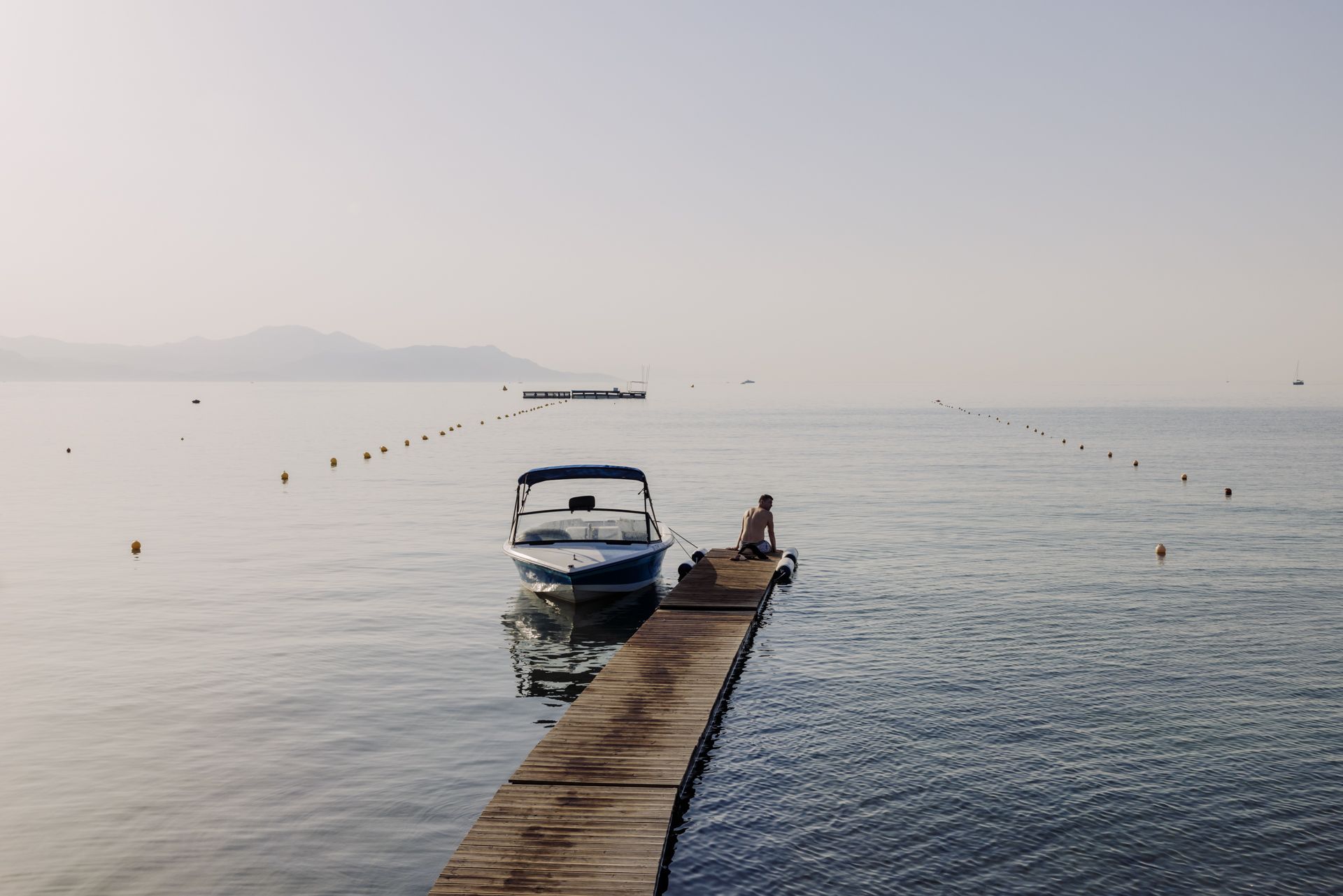
The island’s beaches are remarkably diverse, with dramatic contrasts between opposite shores. Along the western and southern coasts, you will discover wide stretches of soft golden sand backed by clay cliffs and sweeping dunes. In the north and northeast, calm pebble bays and sheltered coves boast some of the clearest, turquoise waters in the Mediterranean, perfect for peaceful swimming and snorkeling. Renting a small motorboat for an afternoon or arranging a private coastal cruise allows you to drop anchor in secluded bays that remain entirely inaccessible by car.
Flavours of the Ionian: What to Taste First
Corfiot cuisine sets itself apart from standard Greek taverna fare through its rich Venetian heritage, offering delightful discoveries for anyone enjoying their first time in Corfu. Instead of relying purely on oregano and olive oil, traditional recipes incorporate warming spices such as cinnamon, allspice, cloves, and nutmeg.
Signature Corfu dishes celebrate these layered flavors. Must-try specialties include Sofrito, thinly sliced veal cooked with garlic, white wine, and fresh parsley, and Pastitsada, a hearty slow-cooked beef or rooster dish served over thick bucatini pasta in a rich spiced tomato sauce. Seafood lovers should seek out Bourdeto, a peppery rockfish stew originating from island fishermen.
To round out the table, pair your meal with crisp local white wine and finish with a taste of kumquat liqueur, the island’s signature sweet citrus export. Wandering through vibrant local markets in Corfu offers a firsthand look at these regional ingredients, artisanal cheeses, and sun-ripened produce in their freshest form.
Balance and Renewal: The Resort Experience
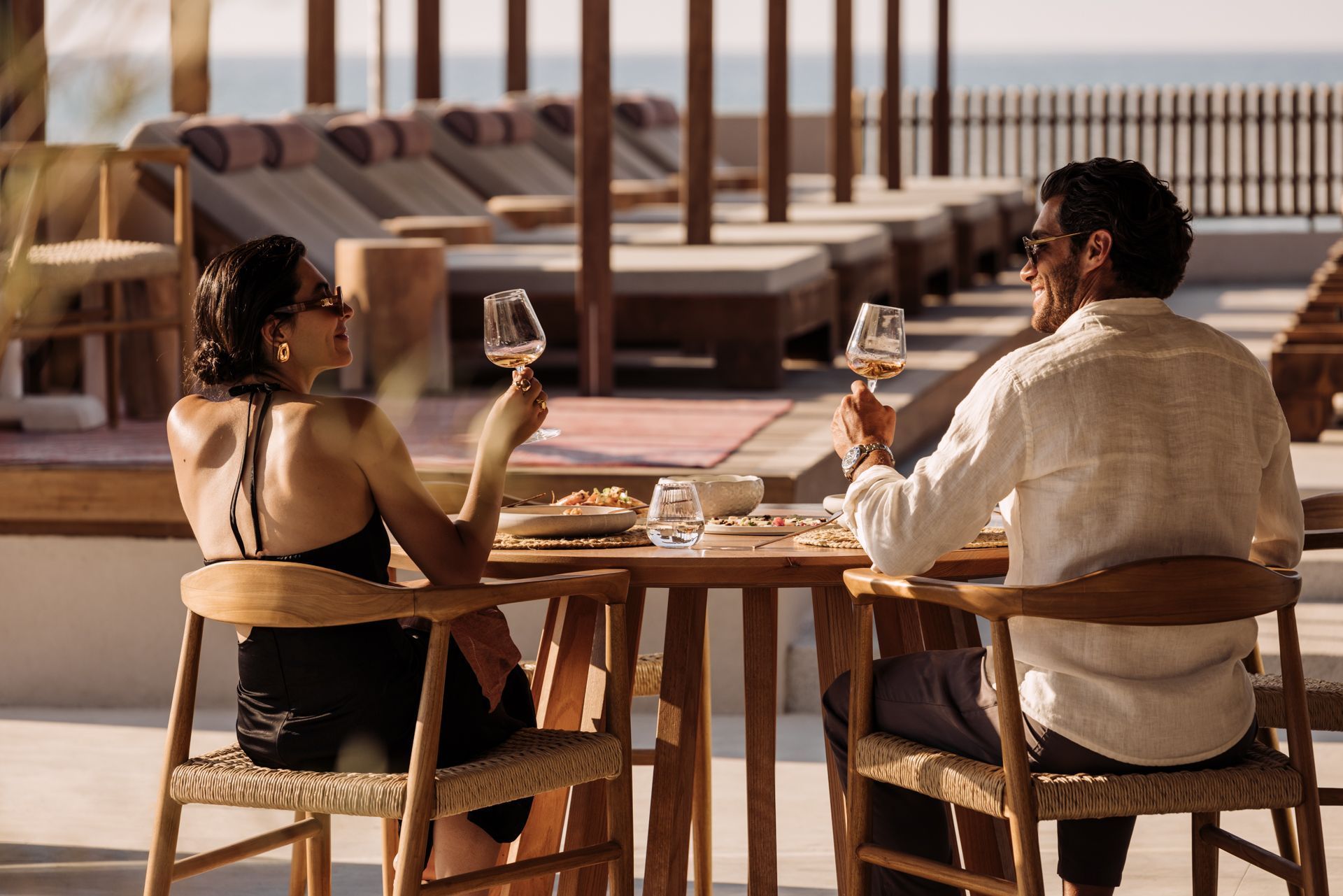
Exploring Corfu’s historical sights, mountain hamlets, and coastal roads is deeply rewarding, yet true Mediterranean luxury lies in knowing when to slow down. Interspersing active day trips with dedicated days of stillness at your resort allows the spirit of the island to truly sink in. Lingering over curated wine and dine menus at sunset, enjoying morning terrace swims, and scheduling restorative spa and wellness rituals create the grounding rhythm of an unforgettable island escape.
Frequently Asked Questions
Is Corfu suitable for a first-time trip to Greece?
Yes. Corfu provides an accessible and rewarding introduction to Greece, combining world-class beaches, rich UNESCO-listed architecture, lush nature, and a distinctive culinary tradition that sets it apart from other island groups.
Why is Corfu also called Kerkyra?
Kerkyra is the ancient and official Greek name of the island, derived from the mythological nymph Korkyra. Corfu is the internationally recognized name, originating from the Italian interpretation of the Byzantine word for the town's twin peaks.
Do you need a car when visiting Corfu?
Renting a car is ideal if you wish to explore multiple regions, remote beaches, and mountain villages at your own pace. If you prefer a restorative holiday centered around a beachfront resort, private transfers and taxis are sufficient.
How many days are ideal for a first visit to Corfu?
A stay of five to seven days is recommended for a first visit. This timeframe allows ample opportunity to discover Old Town, explore northern and southern coastlines, and enjoy leisurely beach days without feeling rushed.
Read also