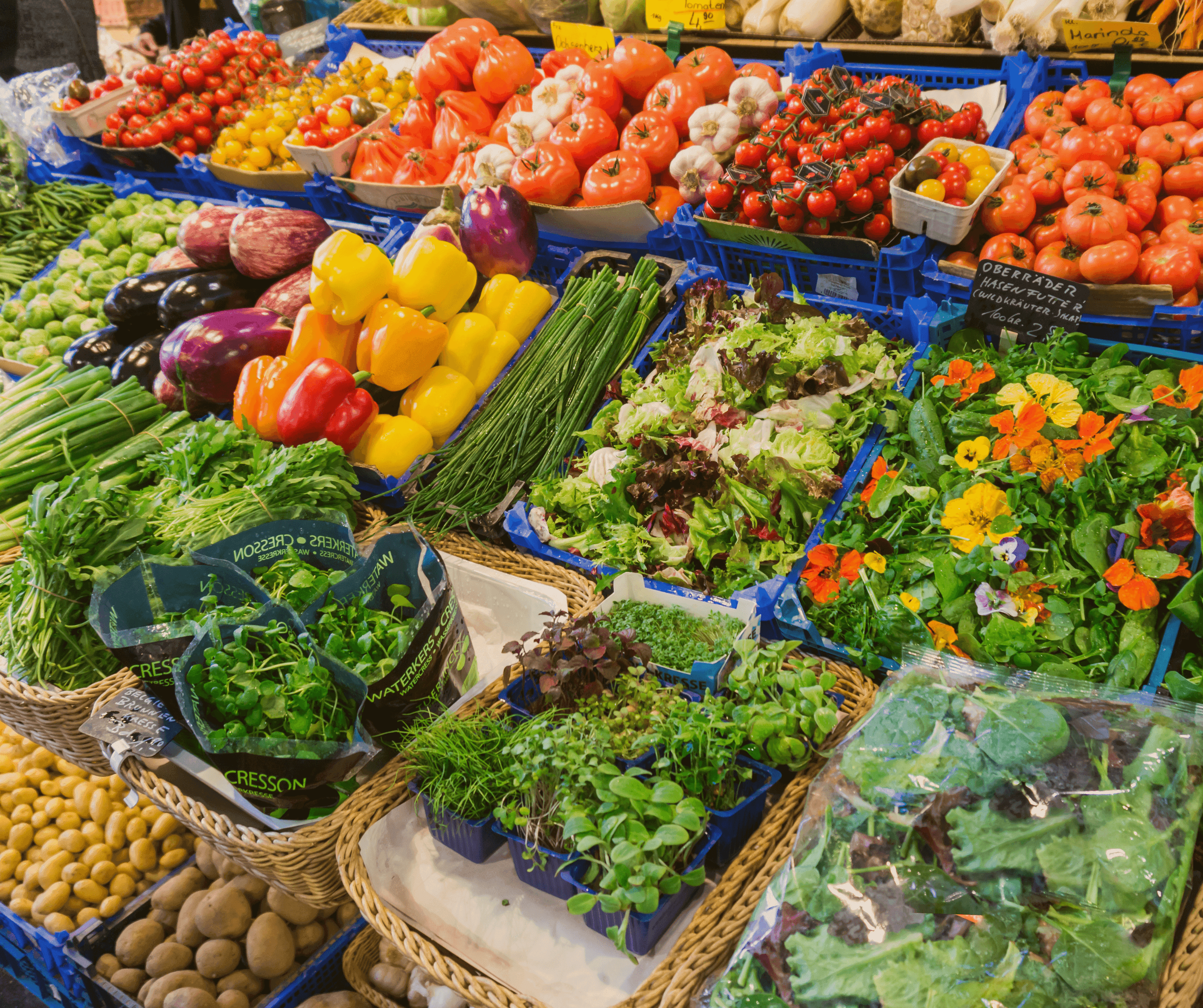
To truly understand Corfu, you have to follow the locals. And in the early hours of the morning, all roads lead to the markets. Far from the souvenir shops of the main tourist strips, Corfu’s markets are a riot of color, scent, and sound, a place where the island’s rich volcanic soil and Venetian culinary heritage collide.
Whether you are a foodie looking for the perfect ingredient or a traveler seeking an authentic slice of island life, here is your guide to navigating the markets of Corfu.
The Heart of the Action: The Central Market (Laiki)
Located right under the towering walls of the New Fortress in Corfu Town, the Laiki Agora (People’s Market) is an daily institution. Open every morning (except Sundays), this is where the island’s chefs and grandmothers haggle over the freshest catch and the brightest produce.
What to experience:
Fresh Seafood: Watch fishmongers display glistening sea bream, octopus, and sardines caught just hours prior in the Ionian Sea.
The Scent of Herbs: Look for bundles of wild mountain oregano, thyme, and chamomile. The intensity of these dried herbs is leagues beyond anything you’ll find in a supermarket back home.
What to Buy: Corfu’s Signature Treasures
If you want to take a piece of the island home with you, keep an eye out for these unique local products:
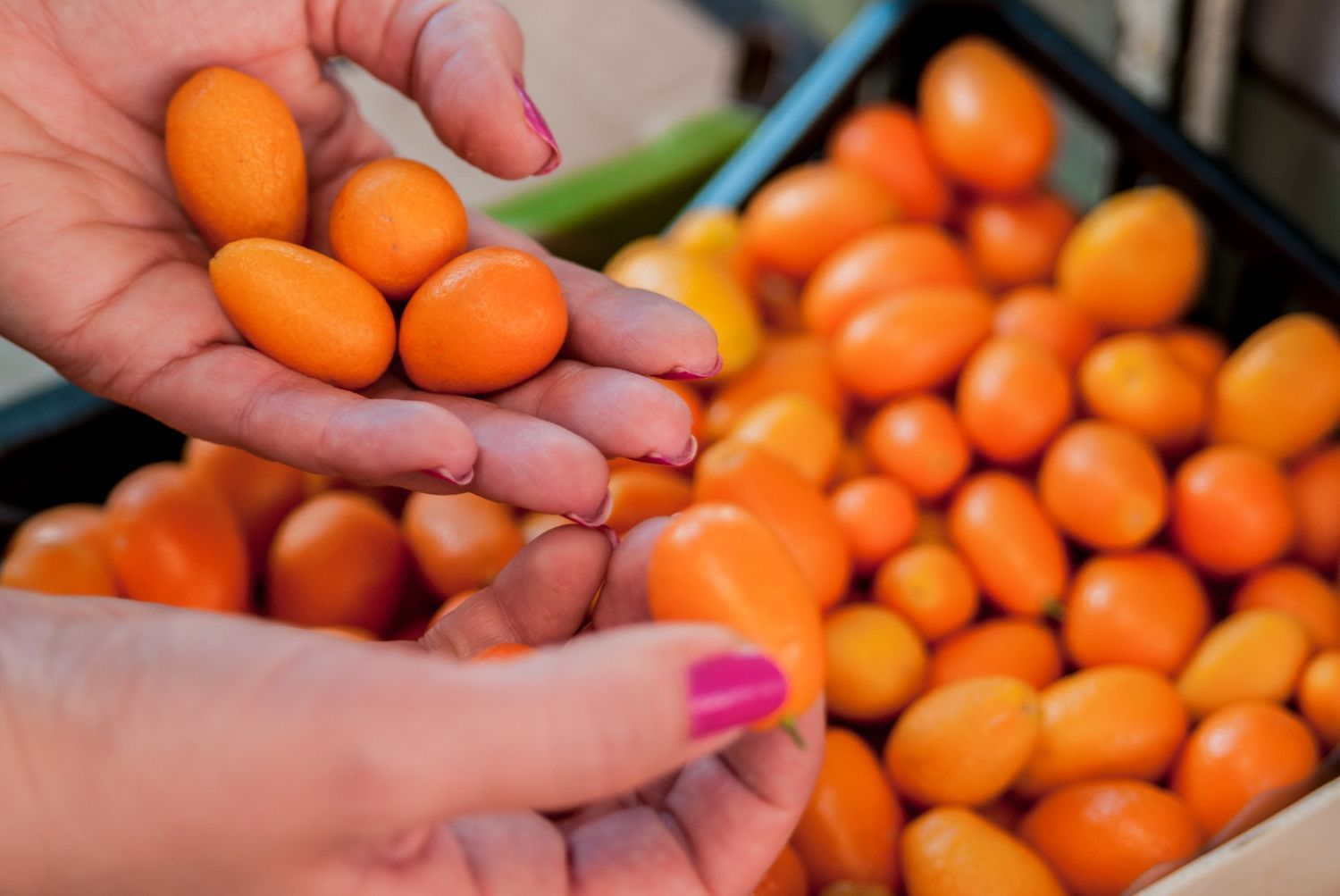
Koum Kouat Products: Corfu is the only place in Greece where this tiny citrus fruit is grown. At the markets, you’ll find it crystallized, preserved in syrup, or distilled into a vibrant orange liqueur.
Olive Wood Craftsmanship: The island is blanketed in millions of olive trees. Market stalls often feature hand-carved bowls, honey dippers, and cutting boards made from this beautifully grained, durable wood.
Wild Honey: Look for "Thymarisio" (thyme honey) or "Anthomelo" (flower honey). Corfiot honey is thick, dark, and carries the fragrance of the island’s wildflowers.
Green Olive Oil Soap: A tradition dating back centuries, Patounis’ soap (often found near the market areas) is made using locally sourced olive oil and is famous for its skin-soothing properties.
What to Taste: Street Food and Market Bites
Shopping is hungry work. Don’t leave the market area without trying these local favorites:
Noumboulo: Often called the "Corfiot Prosciutto," this is a lean pork tenderloin, marinated in wine, seasoned with spices, and smoked over aromatic herbs. Ask for a few thin slices to snack on as you wander.
Local Cheeses: Try Graviera (a hard, nutty cheese) or the spicy Tyrokafteri dip. If you’re lucky, you might find Spetseriko—the secret spice blend used in Corfiot cooking.
Sykomaida: A traditional sun-dried fig pie flavored with anise, pepper, and sometimes a splash of Ouzo, all wrapped in dried vine leaves. It’s the ultimate energy bar!
Gingerbeer (Tsitsibira): A legacy of the British era, this fresh, cloudy, and spicy beverage is fermented in the bottle and is incredibly refreshing on a hot morning.
Tips for Market Exploration
Go Early: The best produce and the freshest fish are gone by 10:00 AM. Aim to arrive between 7:30 and 8:30 AM.
Bring Cash: While some larger vendors take cards, smaller farmers and artisans prefer (and sometimes only accept) Euros.
Respect the Season: You won’t find strawberries in October or oranges in July. Embrace what is currently being harvested for the best flavor.
Learn a Few Words: A simple "Kalimera" (Good morning) or "Efcharisto" (Thank you) goes a long way with the local vendors.
Visiting the local markets of Corfu isn't just about ticking off a shopping list. It’s an immersive cultural exchange. It’s about the sun-browned hands of the farmer handing you a slice of peach, the smell of the sea, and the timeless rhythm of Mediterranean life.
Auch lesen